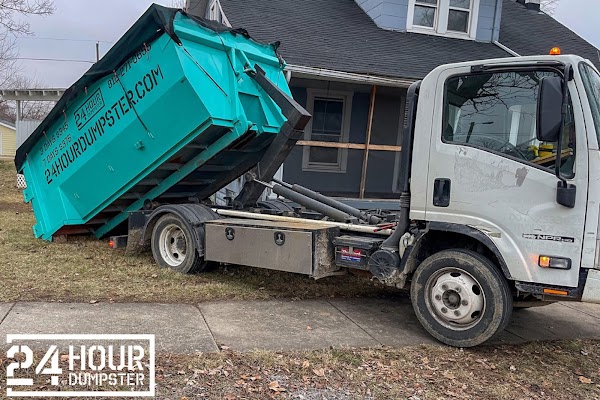
Managing waste effectively from the outset is key to any successful project. Whether you are planning a renovation, cleanup, or construction task, debris can quickly pile up and create unnecessary stress. At 24 Hour Dumpster, 24 Hour Dumpster recognizes that proper dumpster selection and strategic usage can greatly improve project outcomes. Using a smart strategy makes managing waste streamlined and hassle-free.
A dumpster rental involves far more than simply delivering a container. Success depends on careful planning, smart placement, and knowing how debris will be handled throughout the work. Our experience has shown that following a few smart tips can help reduce delays, improve safety, and keep work areas clean. These suggestions aim to maximize your dumpster rental efficiency and overall project success.
Assessing Your Project’s Waste Requirements
One of the most important steps in renting a dumpster is understanding the type of waste your project will generate. Every project creates unique debris, and planning ahead ensures seamless disposal. 24 Hour Dumpster advises clients to plan based on the type, amount, and frequency of debris. Being prepared with this knowledge ensures a structured and effective disposal process.
When waste needs are clearly defined, it becomes easier to manage debris efficiently throughout the project. An organized disposal strategy reduces mess, prevents overflow, and keeps work on track. With a clear system, workers can operate safely and efficiently. Thoughtful preparation maximizes productivity and keeps site cleanup aligned with project objectives.
Strategically Positioning Your Dumpster
Where a dumpster is placed can significantly impact how efficiently it is used. Placing the dumpster thoughtfully ensures it is convenient for all workers. 24 Hour Dumpster advises selecting a location that minimizes walking distance while maintaining a safe and organized workspace. Proper location ensures fast disposal and minimal interruptions.
Properly positioning the dumpster contributes to a tidier worksite. When dumpsters are easily accessible, debris is less likely to be left scattered around the site. This improves safety and supports smoother operations. A well-placed dumpster becomes a natural part of the project workflow rather than an obstacle.
Maintaining Dumpster Order
A tidy dumpster is as crucial as a clean jobsite. Tossing materials without structure reduces capacity and creates hazards. 24 Hour Dumpster recommends placing materials in a structured manner to maximize capacity and maintain balance. This approach helps ensure the dumpster remains functional throughout the project.
An orderly dumpster contributes to safer and faster debris handling. Careful stacking prevents items from sliding or spilling. Teams benefit from a cleaner, more controlled disposal process. Maintaining order inside the dumpster improves workflow and reduces hassle.
Worksite Cleanliness and Safety Tips
Keeping the site tidy is critical for worker safety and efficiency. Debris left outside the dumpster can create hazards and slow down progress. 24 Hour Dumpster recommends ongoing debris management to ensure safety and order. Routine maintenance allows teams to work in a safe and unobstructed space.
Proper waste management also improves morale and efficiency. Teams are able to focus on tasks without navigating cluttered spaces. Tidiness encourages collaboration and efficient operations. Proper use of dumpsters for ongoing cleanup boosts project efficiency and safety.
Integrating the Dumpster Into Every Stage of the Project
One frequent error is leaving dumpster use until the final stages rather than an ongoing solution. 24 Hour Dumpster recommends regular use from start to finish. Regular disposal ensures the worksite stays neat and accessible. Consistent usage supports a steady pace of progress.
Regularly managing debris helps avoid work stoppages and keeps progress smooth. The project stays organized from start to finish. This proactive approach reduces stress and improves overall efficiency. Using the dumpster as an integral part of daily operations leads to better outcomes.
Establishing Clear Dumpster Use Guidelines
Well-defined instructions are crucial for proper dumpster usage. Everyone involved in the project should understand how and when to use the dumpster. 24 Hour Dumpster recommends establishing simple guidelines to ensure consistent waste disposal practices. Communicating rules avoids errors and inefficiency.
When teams are aligned on disposal practices, cleanup becomes second nature. The worksite stays orderly while debris is managed effectively. Effective guidance motivates team members and builds cohesion. Correct instructions make the dumpster an aid to progress instead of a hindrance.
Encouraging Sustainable Dumpster Practices
Responsible waste disposal is an important consideration for any project. 24 Hour Dumpster advocates for green waste management strategies. Central collection points streamline responsible handling. Sustainable disposal minimizes waste and fosters organized operations.
Thoughtful disposal shows attention to detail and project integrity. Proper handling ensures a tidy, productive site. Eco-conscious strategies enhance safety and efficiency. Sustainable practices enhance project outcomes while protecting the environment.
Practical Dumpster Rental Guidance
24 Hour Dumpster shares actionable tips for better dumpster use. Smart planning, thoughtful placement, and consistent use of dumpsters transform waste management into a streamlined process. Following these practices ensures efficiency, organization, and a safer environment.
Using these rental strategies allows the team to work efficiently and without distraction. Organized website disposal, clear communication, and responsible practices lead to smoother project execution. 24 Hour Dumpster remains committed to helping clients manage waste effectively through reliable guidance and professional support.